FotoFabrik · Independent AI product · 2025–now
Building an AI photo app from idea to launch
Overview
What is FotoFabrik?
FotoFabrik is a mobile app that uses AI to turn your photo into a studio portrait, a wedding photo or an anime character, in seconds.
No prompt writing, no design skills needed. I led the product from the early idea through launch, working together with a developer. My focus: the experience, feature decisions, pricing, retention, and keeping the product sustainable as usage grew.
How it works
Three taps to a new photo
 1
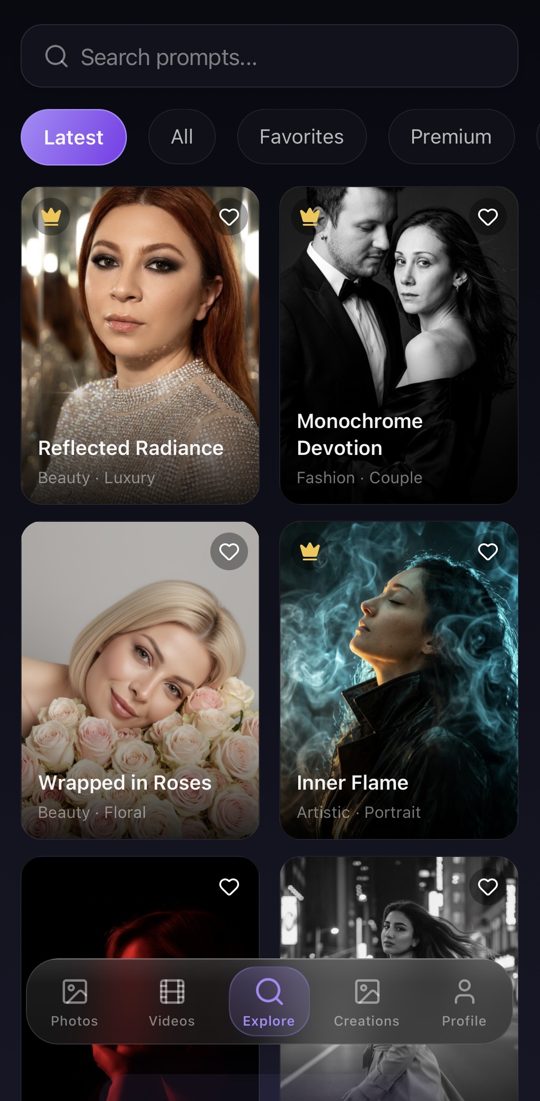
Pick a style
Browse hundreds of ready-made styles, from studio portraits to anime, instead of writing your own prompt.
 2
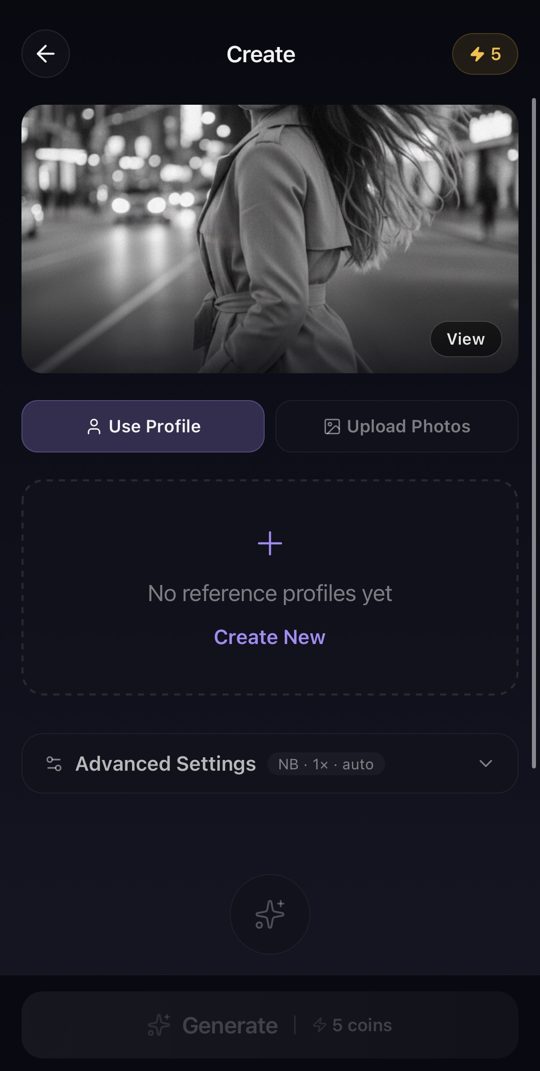
Add your photo
Upload a selfie, and for couple styles, add your partner’s photo too. Or create a profile once and reuse it for every new photo, without uploading again.
 3
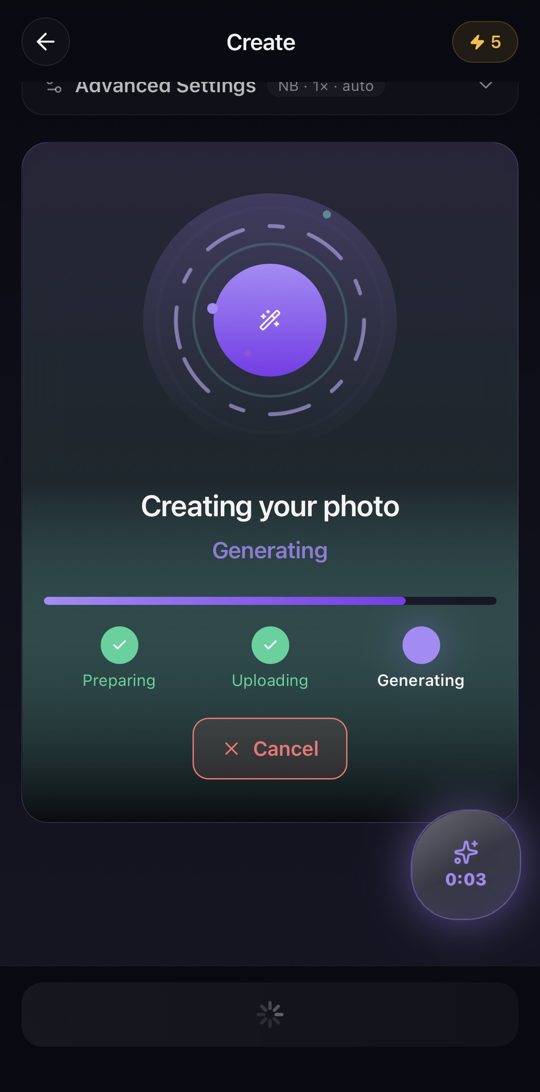
Get your new photo
The AI creates it in seconds. Keep it, or try another style.
Behind every style is a prompt we wrote and tested, plus the AI model that fits it best. The user never sees any of this. They just see the result.
The challenge
Every photo cost us money
Users just wanted to pick a style and get a nice photo. But every photo we created had a cost, and the better AI models were more expensive. We had to keep results good and costs under control at the same time.
Key decisions
Decisions that shaped the product
Choosing quality where it mattered
We tested different models across different kinds of photos and styles. The most expensive model wasn’t always needed. But for some experiences, like complex scenes or photos with two people, the difference was clear. So higher-cost models were used only where they added enough value to justify a higher price.
| Standard styles | Premium styles | |
|---|---|---|
| Model cost | Lower | Higher |
| Used for | Simple, single-person styles | Complex scenes, couple photos |
| Credit price | Standard | Higher, marked with a crown |
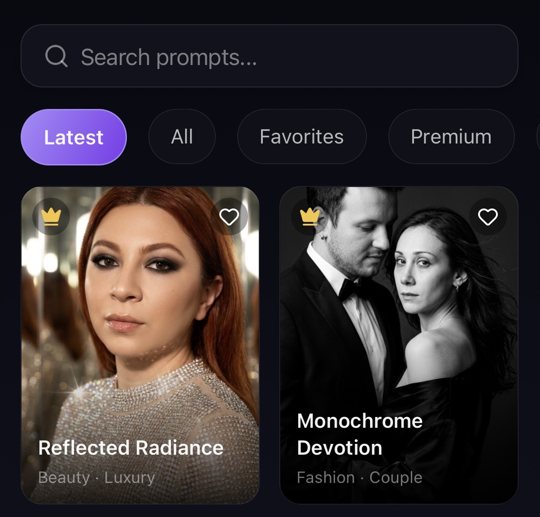
Making hundreds of styles easy to explore
As the number of styles grew, finding something interesting became a problem of its own. Instead of asking people to write prompts, I organised the app around Latest, Explore, Categories, Search, Favorites and Popular.
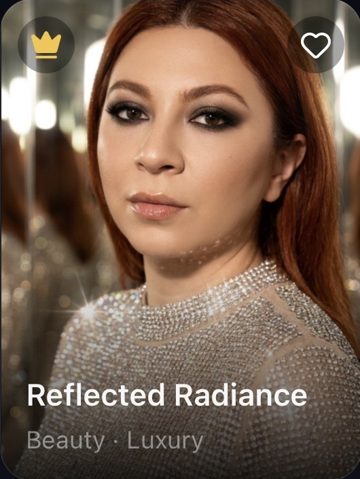
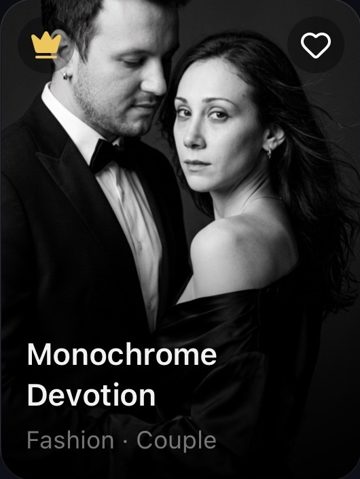

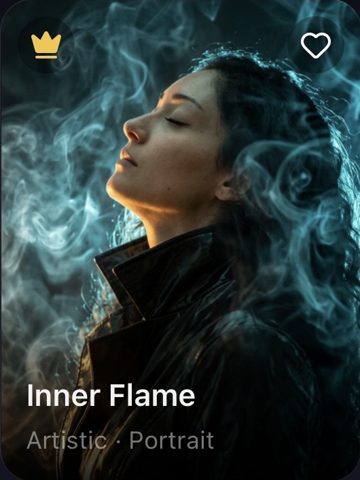
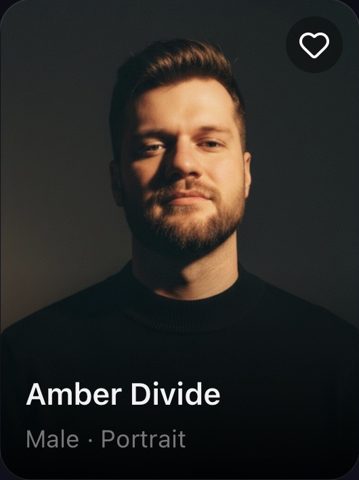

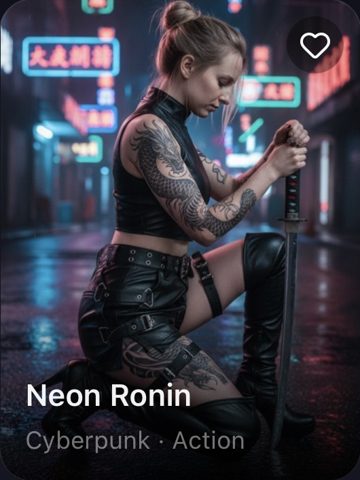
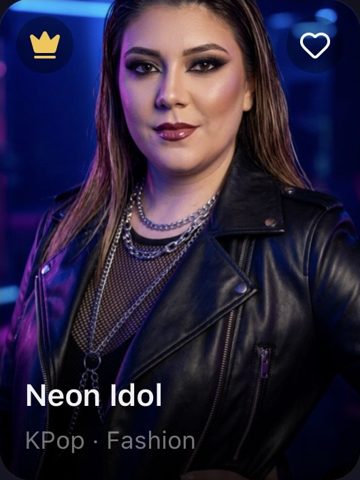
We also built a backoffice, so new styles, categories, models and prices could go live without waiting for a new app release.
A business model that works with AI costs
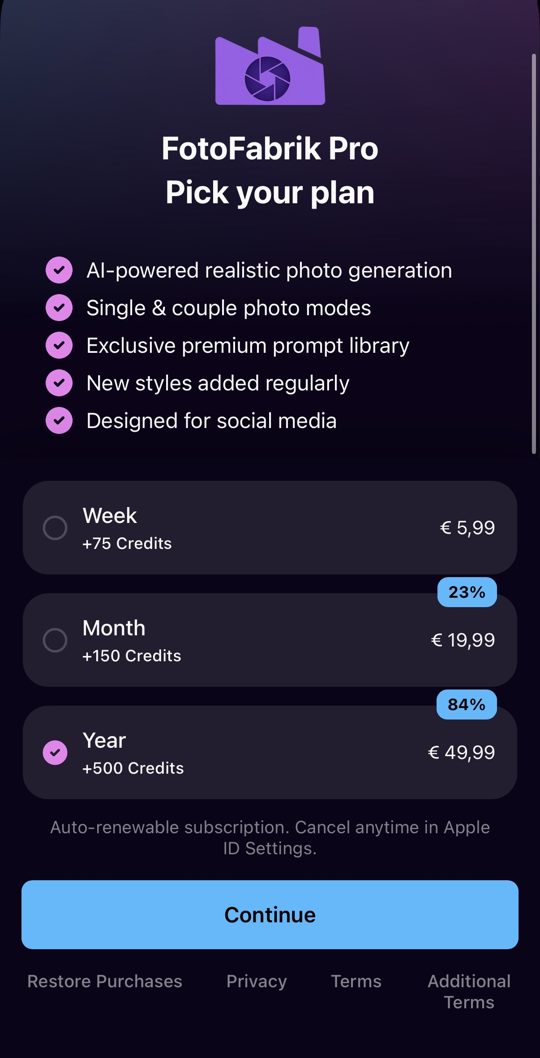
Every AI generation had a real cost, so unlimited free use wasn’t an option. We built the product around credits.
Not every generation cost the same. More expensive models and Premium styles used more credits, so the price reflected the real cost and quality of each experience.
The hard part wasn’t setting a price. It was understanding what we could afford to give away while the experience still felt valuable.
Giving people a reason to come back
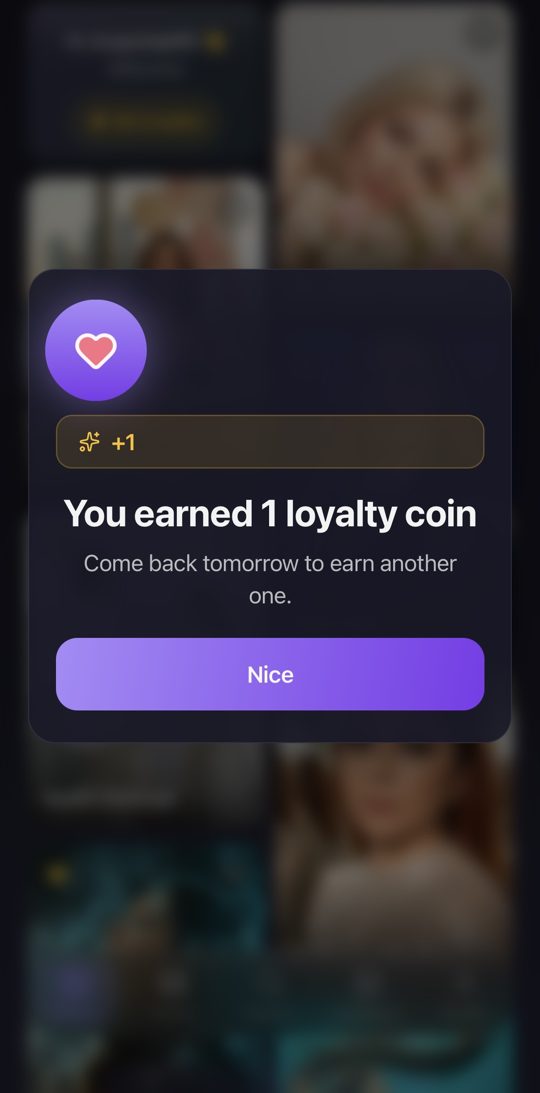
What happens after someone creates their first few photos? Favorites, fresh styles added regularly, popular styles and a daily loyalty coin gave people reasons to return, so FotoFabrik wouldn’t be a one-time tool.
Reflection
What I learned
1Building it was the easy part. Growing it was harder.
There are many AI photo apps, and our Instagram ads didn’t reach the right people. Next time I’d start with one clear target group, test organic content first, and only spend on ads once tracking is in place.
2In an AI product, cost is part of the product.
Every new style, model or feature also changed what each photo cost us. Product decisions and pricing decisions turned out to be the same decisions.
3You need enough users before the data can guide you.
With a small user base, the numbers didn’t tell us much. A few extra signups or payments could change everything, so it was hard to know what was really working. Next time I’d set up tracking from day one, and while numbers are still small, talk to users directly to understand what they like and where they get stuck.
Once there are enough users, these are the questions I’d want answered:
- Where do users drop off?
- What gets them to a good first result?
- What brings them back?
- What makes them pay?
- Does that cover what they cost us?
Last, but maybe the most important
4Building an AI app raised more ethical questions than I expected.
I started with product questions: what to build, what to charge, how to keep costs down. But soon there were ethical questions too, from using people’s photos to showing that an image is AI-generated. Who has agreed to their photo being used? Should people know an image is AI-generated? Is a style quietly pushing everyone toward the same look? I found myself asking how ethical each of my decisions really was. That curiosity is what led me to study AI governance.
Next steps
What I’d do next
Reach more people
Find the right marketing channels first. Test small with a few options, like short videos, creators or app store search, and only invest more in what works.
Make the first photo great
A new user’s first result decides if they stay. Check the photo quality before generating and suggest styles that work best with a simple selfie.
Build responsible AI into the product
Make sure people can only create images of themselves, block photos of public figures and children, and mark every image as AI-generated, so the app can’t be used for deepfakes.